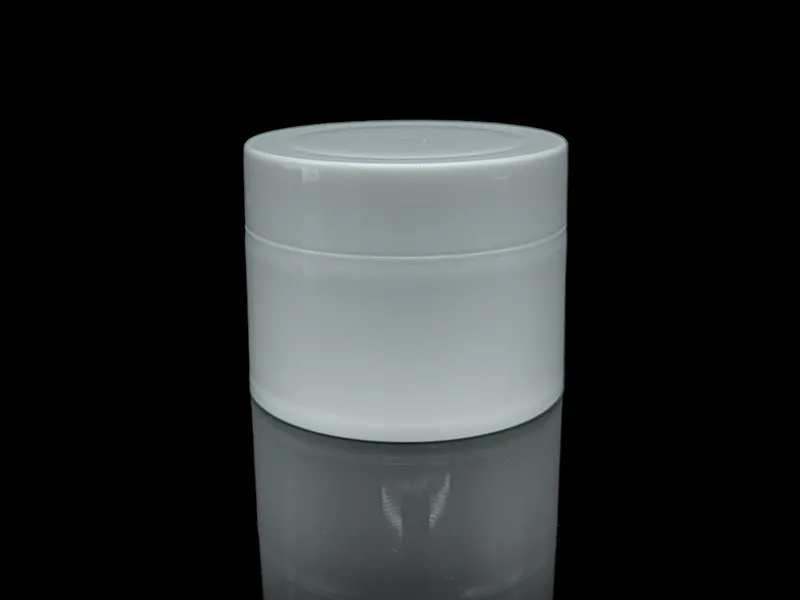
In the competitive world of beauty and personal care, presentation is everything. For small businesses, choosing the right cosmetic containers can make a significant difference—not only in showcasing your products but also in building your brand’s identity and attracting loyal customers. From sleek jars to eco-friendly tubes, the options are vast and varied, each offering unique benefits to suit different product types and business needs. In this article, we'll explore the best cosmetic container options tailored specifically for small businesses, helping you find the perfect packaging that combines functionality, style, and cost-effectiveness. Read on to discover how the right container can elevate your products and set your brand apart in the bustling market.
Understanding the Importance of Cosmetic Containers for Small Businesses
First and foremost, cosmetic containers serve as the primary physical interface between the product and the consumer. For small businesses, this interface is a unique opportunity to communicate brand identity and values. The choice of container—whether glass jars, airless pumps, or eco-friendly tubes—reflects the product’s quality and the business’s commitment to sustainability, luxury, or practicality. For instance, a minimalist, well-designed cosmetic containe can appeal to environmentally conscious consumers, offering not only product protection but also a sense of responsibility and trust. This emotional connection often persuades first-time buyers and encourages brand loyalty, which is vital for small businesses looking to expand their customer base.
Additionally, cosmetic containers are essential for product preservation and safety. Many beauty products contain sensitive ingredients that degrade when exposed to air, light, or contamination. Selecting an appropriate cosmetic containe that ensures airtight seals or UV protection can dramatically extend the product’s shelf life and maintain its efficacy. Small businesses must consider containers made from materials such as amber glass or specially coated plastics to protect active ingredients and prevent oxidation. Failing to do so might result in spoiled products, customer complaints, or even regulatory issues. Therefore, prioritizing product integrity through the right cosmetic containers helps safeguard the business’s reputation and reduces costly returns or waste.
Functionality also plays a critical role in the cosmetic containe selection process. Consumers increasingly value convenience and user experience when purchasing beauty products. For small businesses, this means choosing containers that are not only visually appealing but also easy to use and hygienic. Pumps and droppers, for example, allow precise dispensing and minimize contamination, which is particularly important in skincare and cosmetic formulations. Some containers are designed for portability, enabling customers to carry products for travel or daily use without spillage. By offering practical and functional packaging, small businesses demonstrate attention to detail and customer-centricity, which can differentiate them in a crowded market.
Cost considerations are naturally pivotal for small businesses when selecting cosmetic containers. Unlike large corporations that can afford bulk custom packaging, small business owners must balance quality with affordability. Cosmetic containers come in a wide range of prices based on materials, design complexity, and customization options. Businesses can explore versatile and cost-effective solutions such as recyclable plastic jars or standard glass bottles with customizable labels. Investing in attractive cosmetic containe options like modular designs or refillable containers may also prove economical over time and appeal to sustainability-minded consumers. Strategically selecting packaging aligned with budget constraints without compromising quality is a skill that can define a small business’s marketability and profitability.
Furthermore, compliance with industry regulations is another reason why cosmetic containers are important. Cosmetics are subject to strict safety and labeling standards, and the container plays a role in fulfilling these legal requirements. Containers must be compatible with the product’s chemical properties and accommodate clear labeling that provides ingredients, usage instructions, and safety warnings. Small businesses need to ensure their cosmetic containers meet these criteria to avoid penalties and gain consumer trust. Collaborating with reputable suppliers who understand regulatory frameworks can ease this burden.
Lastly, customization capabilities offered by cosmetic container manufacturers enable small businesses to reinforce branding through unique shapes, colors, and finishes. Custom cosmetic containers create an exclusive look and feel that can elevate a small business’s positioning from generic to premium. Visual differentiation in retail shelves or online platforms can attract attention and foster brand recall. Leveraging trends such as minimalist, vintage, or eco-friendly packaging through customized containers strengthens the story a brand tells. Even subtle features like embossed logos or colored caps make a difference in customer perception and overall brand experience.
In summary, cosmetic containers are far more than simple vessels for beauty products—they are strategic assets for small businesses in the cosmetic industry. From protecting product integrity and ensuring compliance to enhancing customer experience and expressing brand values, the right cosmetic containe options can profoundly influence business growth. Small business owners who take the time to carefully select containers gain a competitive edge and lay a foundation for long-term success in the dynamic cosmetics market.
Key Factors to Consider When Choosing Cosmetic Containers
**Material Compatibility and Safety**
At the core of choosing cosmetic containe is the compatibility between the packaging material and the product it will hold. Cosmetic products range from creams and lotions to serums and powders, each with unique chemical properties. Certain ingredients can degrade plastic or metal, cause leaching, or react with the container’s surface, which compromises product safety and effectiveness. For example, some active ingredients in skincare, like Vitamin C or retinol, are sensitive to light and air, requiring containers that offer airtight seals and UV protection.
Small businesses should prioritize materials known for their inert properties, such as glass, certain types of plastic (like HDPE or PET), or aluminum. Glass containers, while heavier and sometimes more costly, offer excellent barrier properties and a premium aesthetic that can elevate a brand's perceived value. On the other hand, some plastics allow for more versatile designs and are lightweight, reducing shipping costs—an important factor for small businesses with tighter budgets.
**Functionality and User Experience**
The cosmetic containe must not only protect the product but also ensure ease of use. The packaging should allow consumers to dispense the right amount without waste or contamination. For example, pump dispensers and airless bottles prevent product oxidation and bacterial growth better than open jars, making them suitable for sensitive formulations.
Consideration should also be given to the product’s texture and viscosity. Thick creams may necessitate jars or wide-mouth tubes, while lightweight liquids might be better suited for droppers or spray bottles. The container’s design influences the overall user experience, impacting repeat purchases. For small businesses, where customer loyalty is critical, investing in user-friendly packaging can foster a positive brand relationship.
**Brand Identity and Aesthetics**
Packaging speaks volumes about a brand’s identity. Small businesses have a unique opportunity to differentiate themselves through custom or semi-custom cosmetic containe designs that reflect their brand’s ethos. The shape, color, finish (matte, glossy, frosted), and labeling options all contribute to creating a memorable impression.
Trendy aspects such as minimalist designs, eco-friendly materials, and refillable containers resonate with today’s conscious consumers. Incorporating these elements helps position the product as premium, sustainable, or innovative, aligning with consumer values and market trends, which is especially impactful for small businesses seeking to build credibility and visibility.
**Cost Considerations and Minimum Order Quantities**
Budget constraints are a significant factor for small businesses when selecting cosmetic containe. While premium glass bottles might look exceptional, they tend to be more expensive and require higher minimum order quantities that might be prohibitive for startups or limited product lines. Alternatively, plastic-based containers often come at a lower price point and with smaller minimum orders, enabling more flexibility for testing new products or small batch runs.
Manufacturers and suppliers frequently offer various tiers of pricing based on customization level, material choice, and order volume. Small business owners should carefully weigh upfront costs with long-term branding benefits and operational efficiency. In some cases, investing slightly more in quality packaging can result in better market reception and reduced returns or complaints.
**Sustainability and Environmental Impact**
As consumers become increasingly environmentally conscious, the sustainability of cosmetic containe is a factor not to be overlooked. Small businesses aiming to appeal to green-minded customers may opt for containers made from recycled materials, biodegradable options, or those that are refillable and reusable.
Sourcing eco-friendly packaging can sometimes involve higher costs or require more thorough vetting of suppliers, but the marketing advantage and alignment with sustainable practices can significantly benefit the brand's reputation. Packaging that reduces waste or can be easily recycled demonstrates a commitment to social responsibility, enhancing brand loyalty among a growing segment of eco-conscious buyers.
**Regulatory Compliance and Labeling Requirements**
Compliance with regional and international cosmetic packaging regulations is essential. Cosmetic container options must allow adequate space for labeling mandatory information such as ingredient lists, usage instructions, expiration dates, batch numbers, and safety warnings.
Small businesses should ensure that the chosen cosmetic containe accommodates clear, legible, and durable labeling. The container’s surface texture and shape can affect the ease of label application, whether through printed sleeves, direct printing, or stickers. Failure to meet regulations can lead to legal complications, product recalls, or fines.
**Supply Chain and Manufacturing Lead Times**
Finally, small businesses should account for supply chain reliability and manufacturing lead times when selecting cosmetic containe. Some custom or specialized packaging may take weeks or months to produce and ship. Delays can critically impact product launch schedules and inventory management.
It’s advisable to work with reputable suppliers who provide transparency about lead times and quality control. Additionally, some packaging suppliers offer ready-to-ship or semi-custom options that strike a balance between customization and availability, which can be ideal for small businesses requiring agility.
By carefully considering the material compatibility, functionality, aesthetic appeal, cost, sustainability, legal compliance, and supply chain factors, small businesses can make an informed choice when selecting cosmetic containe for their products—setting the foundation for a successful beauty or personal care brand.
Popular Cosmetic Container Materials and Their Benefits
**Glass: Timeless Elegance and Superior Preservation**
Glass is a classic material widely used in cosmetic containers, especially for luxury products like perfumes, serums, and oils. One of its biggest benefits is its excellent barrier properties. Glass is impermeable and non-porous, which means it doesn’t react with the contents, thus preserving the integrity, fragrance, and efficacy of your product. For small businesses aiming for a premium or eco-friendly image, glass containers offer a recyclable and reusable option that appeals to environmentally conscious consumers.
Moreover, glass is available in various finishes—clear, frosted, tinted—that can add a unique aesthetic element to your packaging. Despite being heavier and more fragile than plastic alternatives, many customers associate glass packaging with high-quality products, thereby enhancing perceived value. For small batch cosmetic producers, glass containers can add a sophisticated touch that sets your brand apart.
**Plastic: Versatility, Lightweight, and Cost-Effectiveness**
Plastic is arguably the most prevalent material used in cosmetic containers due to its versatility and lower cost. Available in many forms such as polyethylene terephthalate (PET), high-density polyethylene (HDPE), and polypropylene (PP), plastic containers are lightweight, shatter-resistant, and easy to mold into diverse shapes and sizes. For small businesses, plastic containers offer budget-friendly options that can fit a range of product types including lotions, creams, sprays, and gels.
Additionally, many plastics used in cosmetic containers are recyclable, supporting sustainability goals if managed properly. Plastic’s flexibility also facilitates customization; you can incorporate unique colors, textures, or tamper-evident features with relative ease. However, it’s essential to choose plastics that are compatible with the cosmetic formulation to avoid issues such as chemical leaching or degradation.
**Aluminum: Durability and Stylish Modernity**
Aluminum containers have gained popularity for cosmetic products such as deodorants, lip balms, and creams. Aluminum is lightweight yet sturdy, providing excellent protection from light, air, and moisture, which is critical in preserving sensitive ingredients. It is also highly recyclable, making it an environmentally responsible choice that appeals to green consumers.
The modern and sleek metallic finish of aluminum lends a contemporary and professional look to your products. Small businesses looking to enhance their product line with container materials that are both durable and stylish may find aluminum to be a perfect balance. The metal’s ability to be anodized or powder-coated also opens up creative design opportunities that can help your packaging stand out on retail shelves.
**Acrylic: Clear, Durable, and Luxurious**
Acrylic cosmetic containers offer the look of glass with greater durability and lighter weight. These containers are often used for creams, serums, and makeup products where clear, attractive packaging is desired. Acrylic is more impact-resistant than glass, reducing the risk of breakage during shipping or daily use—an important consideration for small businesses concerned with product safety and customer satisfaction.
Furthermore, acrylic’s clarity ensures that the product inside is visible, empowering consumers to see exactly what they’re purchasing. This transparency can build trust and boost appeal, particularly for cosmetics that rely on their visual characteristics, like colored gels or shimmery lotions. Acrylic also allows for high-quality printing and labeling options, enabling small brands to create eye-catching packaging that reflects their aesthetic.
**HDPE and LDPE: Flexible and Functional Options**
High-Density Polyethylene (HDPE) and Low-Density Polyethylene (LDPE) are common plastic variants favored in the cosmetic industry for their flexibility and chemical resistance. These materials are typically used in squeeze tubes, bottles, and jars for lotions, conditioners, and cleansers. HDPE offers more rigidity, while LDPE is softer and more squeezable, thus providing functionality tailored to the specific product application.
Both HDPE and LDPE are compatible with many cosmetic formulations and can handle exposure to oils and solvents without degrading. Additionally, they are cost-effective and widely recyclable, supporting sustainable packaging initiatives for small businesses.
****
Choosing the right cosmetic containe material for your small business is a strategic decision that affects product performance, aesthetic appeal, environmental impact, and customer satisfaction. Whether you opt for the sophistication of glass, the cost-effectiveness of plastic, the durability and modernity of aluminum, the clarity of acrylic, or the flexibility of polyethylene variants, each material offers distinct benefits. Assess your product’s formulation, branding goals, budget, and sustainability values carefully to select the most suitable cosmetic container that will help your small business thrive in a competitive market.
Eco-friendly and Sustainable Packaging Options
**Eco-friendly and Sustainable Packaging Options for Cosmetic Containe in Small Businesses**
As the cosmetic industry continues to expand, small businesses are increasingly recognizing the importance of eco-friendly and sustainable packaging options for their cosmetic containe. Sustainability is no longer a niche trend but a vital component of brand identity and consumer demand. For small cosmetic brands looking to differentiate themselves while minimizing environmental impact, adopting green packaging solutions is both a strategic and ethical choice.
### The Growing Demand for Sustainable Cosmetic Containe
In recent years, consumers have become more environmentally conscious, advocating for reduced plastic use and favoring brands that demonstrate transparency and responsibility in their packaging choices. For small businesses, aligning with this consumer shift is crucial. Eco-friendly cosmetic containe not only appeal to an audience that prioritizes sustainability but also help businesses comply with increasing regulations concerning plastic waste and material usage.
### Materials Used in Eco-friendly Cosmetic Containe
Sustainable cosmetic containe come in a variety of materials that minimize environmental harm while maintaining product integrity and aesthetic appeal. Some popular materials include:
- **Recycled Plastics**: Using post-consumer recycled (PCR) plastics reduces the need for virgin plastic production, cutting carbon emissions and diverting waste from landfills. Many cosmetic containe manufacturers now offer options made partially or entirely from recycled PET or HDPE materials.
- **Glass**: Glass is fully recyclable and chemically inert, making it ideal for luxury cosmetic containers such as jars, bottles, and dropper bottles. Though heavier and more fragile than plastic, glass containers are prized for their recyclability and the premium feel they convey.
- **Bamboo and Wood**: Bamboo and sustainably sourced wood have become trendy alternatives for cosmetic compacts, lids, and jars. Not only do these materials biodegrade faster than most plastics, but their natural aesthetics also appeal to eco-conscious consumers.
- **Bioplastics and Plant-Based Polymers**: Derived from renewable resources like cornstarch, sugarcane, and algae, bioplastics degrade more readily than conventional plastics. Some cosmetic containe are now made from compostable bioplastic blends, offering sustainability without sacrificing durability.
- **Aluminum**: Lightweight and infinitely recyclable, aluminum is a favored choice for cosmetic tubes, tins, and caps. The ease of recycling aluminum makes it a sustainable option with less environmental impact compared to single-use plastics.
### Design Innovations to Enhance Sustainability
In addition to material selection, smart design can improve the sustainability of cosmetic containe. Small businesses can reduce waste and increase recyclability through innovative design approaches:
- **Refillable Containers**: Designing cosmetic containe to be refillable extends the lifecycle of the container, reducing single-use packaging waste. Refill systems are becoming popular for products like face creams, serums, and foundations, encouraging customers to reuse the original container multiple times.
- **Minimalist Packaging**: Reducing excess packaging such as unnecessary labels, outer boxes, or intricate multi-layer designs can cut down on material consumption. Minimalist cosmetic containe often use less ink and adhesives, easing the recycling process.
- **Lightweight Design**: Using thinner walls or lighter materials decreases the environmental footprint associated with transportation and raw material use. Lightweight but durable cosmetic containe ensure product safety while reducing carbon emissions during shipping.
### Certification and Transparency
Many small cosmetic brands leverage third-party certifications to build trust with eco-conscious consumers. Certifications such as FSC (Forest Stewardship Council) for wood, Green Seal for recyclability, or Cradle to Cradle certification for full lifecycle sustainability indicate transparent sourcing and responsible packaging production. Displaying such certifications on cosmetic containe or related packaging materials reinforces the brand’s commitment to the environment.
### Practical Considerations for Small Businesses
While embracing eco-friendly cosmetic containe is desirable, small businesses must balance sustainability with factors like cost, availability, and functionality. Sustainable materials and designs can sometimes increase packaging expenses, especially in smaller order quantities. However, many packaging suppliers now offer customizable, affordable eco-friendly options designed specifically for small businesses.
Batch sizes, shipping durability, and product compatibility (e.g., preventing contamination or degradation of cosmetic formulas) must also be considered. Partnering with packaging suppliers who understand the nuances of cosmetic containe helps small brands find the ideal blend of sustainability, practicality, and style.
Incorporating eco-friendly and sustainable cosmetic containe is a forward-thinking approach that empowers small cosmetic businesses to meet evolving consumer expectations, reduce environmental impact, and differentiate themselves in a competitive market. Whether through recycled plastics, glass, bioplastics, or refillable designs, sustainable packaging is a feasible and impactful step toward greener beauty products.
Tips for Customizing Cosmetic Containers to Enhance Brand Identity
In the competitive world of beauty and personal care, small businesses must find distinctive ways to stand out. One of the most impactful yet often overlooked strategies is customizing cosmetic containers. Tailoring your packaging not only protects your product but also acts as a powerful branding tool that communicates your brand’s personality, values, and quality to consumers. Here are detailed tips on how to customize your cosmetic container to truly enhance your brand identity.
**Understand Your Brand’s Core Message**
Before diving into design elements or material choices, it’s crucial to have a clear understanding of your brand’s mission and target audience. Are you positioning your brand as eco-friendly and sustainable? Or perhaps you want to emphasize luxury and sophistication? Your cosmetic container should visually and tactically reflect these elements to resonate deeply with your customers. For example, a natural skincare line might prioritize recyclable or biodegradable containers with earthy tones and minimalistic fonts, whereas a premium cosmetic brand might select sleek black or gold-embossed containers.
**Choose the Right Cosmetic Container Type**
**Incorporate Custom Colors and Finishes**
Color psychology plays a significant role in how customers perceive your brand. Utilizing custom colors on your cosmetic containers helps build immediate recognition and emotional connection. Small businesses should carefully select colors that align with their brand ethos. Soft pastels may evoke femininity and gentleness, while bold, vivid colors suggest energy and innovation. Beyond color, finishes like matte, glossy, frosted glass, or metallic can further elevate your container’s appeal. Combining color and finish customization allows your cosmetic container to stand out on crowded retail shelves and digital platforms.
**Use Custom Labels and Printing Techniques**
Label design is often the first interaction customers have with your product, so customization here is key. Employing unique fonts, tailored graphics, and concise messaging on your labels can communicate professionalism and trustworthiness. Using advanced printing techniques such as embossing, foil stamping, or UV coating adds tactile and visual interest, making your cosmetic containe truly distinctive. Additionally, consider including functional aspects like clear ingredient lists, usage instructions, and brand storytelling to deepen customer engagement.
**Incorporate Sustainable Materials**
Many consumers today prioritize environmental responsibility, and using sustainable cosmetic containers can align your brand with these values. Opting for recycled plastics, glass, or biodegradable materials in your customization process can enhance your brand’s image as socially conscious and forward-thinking. Beyond material selection, small businesses can customize container components, such as using bamboo caps or refillable systems, to minimize waste. Highlighting your sustainability efforts through clear labeling is also a way to build loyalty among eco-aware customers.
**Consider Practicality and User Experience**
Customization isn’t just about aesthetics—it’s also about functionality. Making thoughtful design choices such as pump dispensers, airless bottles, or travel-friendly sizes improves the overall customer experience. Such features signal your brand’s commitment to convenience and product quality. When customers find your cosmetic containe easy to use and store, it encourages repeat purchases and positive word-of-mouth. Customization that balances style with practicality fosters a strong emotional attachment to your brand.
**Collaborate with Professional Packaging Designers**
For small businesses aiming to take customization to the next level, working with professional packaging designers can be invaluable. Experts in packaging not only help translate your brand identity into tangible container designs but also navigate regulatory and logistical considerations. From prototyping to sourcing materials, a professional approach ensures your cosmetic container meets quality standards while effectively conveying your branding.
By carefully customizing your cosmetic containe—from material and shape to color, labeling, and usability—you establish a powerful visual and tactile presence that differentiates your brand in a crowded market. This strategic investment in packaging speaks volumes to customers about your business’s values, quality, and dedication to their satisfaction.
Conclusion
In conclusion, choosing the right cosmetic container is a pivotal decision for small businesses aiming to stand out in a competitive market. With over 12 years of experience in the industry, we understand the importance of combining functionality, aesthetics, and sustainability to create packaging that truly reflects your brand’s identity. Whether you’re looking for sleek glass jars, durable plastic bottles, or innovative eco-friendly options, the key is to select containers that not only protect your product but also captivate your customers. By investing in the right packaging solutions, small businesses can elevate their products, build stronger customer connections, and pave the way for long-term success in the beauty industry.
Contact Us For Any Support Now
Please fill out the form below to request a quote or to request more information about us. please be as detailed as possible in your message, and we will get back to you as soon as possible with a response. we're ready to start working on your new project, contact us now to get started.
Professional cosmetic & Skincare packaging tube, bottles and jars enterprise which integrated with R&D, Continuing with our commitment to innovation and global development.